SEO
Technical fixes first, then pages written for the searches your customers make. You get a report every month.
We design and build custom websites and web applications for companies that need more than a template. Performance, search visibility, accessibility and analytics are planned into the build from the start.
Every project starts with a clear written scope. You own the code and accounts, your team gets a CMS where appropriate, and you can review progress on staging throughout development.
Corporate websites, service sites and landing pages built around clear content, strong usability and measurable actions. Your team gets a site that is fast, easy to manage and structured for search from the start.
Case study: ASG KlimatechnikClient portals, dashboards, booking systems and internal tools with the authentication, permissions, integrations and data workflows the product requires.
Web Application DevelopmentCustom online stores built around the way your business actually sells — from catalogue and checkout to payments, inventory, fulfilment and the systems behind them.
E-commerce DevelopmentA CMS configured around the way your team works, so content, images and pages can be updated without developer support. We provide access, structure and a walkthrough before handover.
News Portal DevelopmentPerformance is tested throughout development across realistic devices and network conditions. We optimise loading, rendering and interaction to keep the experience fast and Core Web Vitals in good shape.
Case study: Studio PortMixRebuild an existing website or move to a new stack while preserving content, URLs and search signals wherever possible. Redirects, indexing and key functionality are checked before and after launch.
WordPress to Next.jsWhat you receiveA written scope, timeline and fixed price.
What you receiveAn approved clickable prototype ready for development.
What you receiveA working staging version reviewed and tested before launch.
What you receiveA live website, verified setup and complete handover.
What you receiveA stable live website, completed handover and a clear path forward.
200K+
games, each with a page of its own
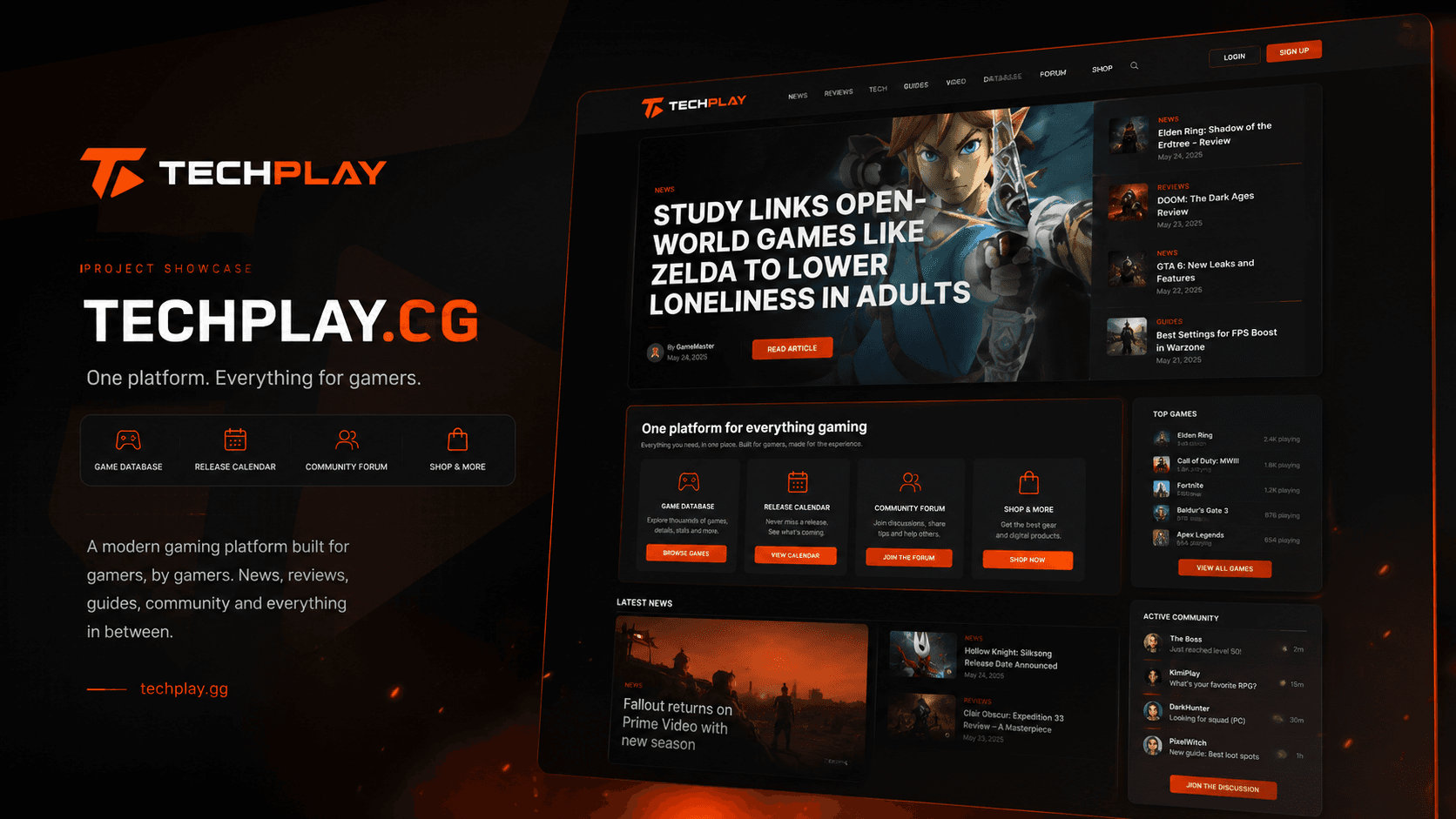
We used this stack to build a gaming media platform with a searchable database of 200,000+ titles, an editorial CMS and community features — server-rendered for performance and search visibility.
View case studyWe choose tools based on the requirements of the project, your existing systems and what will be practical to maintain after delivery. Below are the technologies we typically use for this type of work, and why.
For fast, modern interfaces that can be rendered efficiently, indexed properly by search engines and extended as the product grows. A strong fit for both content-driven websites and more complex web applications.
Next.js DevelopmentAdds structure and type safety to the codebase, catching many errors before they reach production and making larger projects easier to maintain and hand over.
Used for APIs, integrations and server-side functionality when JavaScript across the stack keeps the architecture simpler and development more consistent.
Helps us translate the design system into consistent interface rules, making components easier to maintain as the website or application grows.
A mature relational database for projects that need structured data, reliable transactions and room to grow without changing the data layer later.
EU-based infrastructure for projects that need reliable hosting, predictable performance and straightforward scaling. Backups, monitoring and deployment are managed as part of the hosting setup.
For secure online payments, subscriptions and checkout flows, with support for cards, digital wallets and the payment methods appropriate to the project.
Your domains, accounts and project access are kept under your control from the start. Once the project is paid in full, the completed source code and agreed project assets are yours, with no dependency on Luminor to keep them running.
Content is structured so your team can handle routine updates without a developer, with the access, documentation and walkthrough needed for handover.
We test performance on realistic devices and network conditions, review Core Web Vitals and address issues within the project scope before handover. The results are documented as part of the final review.
Analytics and key conversion events are configured as part of the build, giving you a baseline for understanding how the new website is being used and what should be improved next.
Separate pages for specific industries and types of project, each with its own scope and answers to the usual questions.
If you cannot find the answer below, send us your question. A member of our team will reply within one business day.
Ask a questionMost business websites take around 6–8 weeks from discovery to launch. Larger web applications and e-commerce projects typically take longer, depending on functionality, integrations and content. Your exact timeline is agreed in the written scope before work begins, with staging access throughout development.
A business website starts from €1,800, a landing page from €600 and a redesign from €1,500. The final price depends on the number of pages, functionality and integrations; you receive it in writing after a short call, and it does not change.
Your domains, accounts and project access remain under your control from the start. Once the project is paid in full, the completed source code and agreed project assets are yours. We do not build dependencies that require you to stay with Luminor.
Yes. Where a CMS is part of the project, we configure it around the content your team needs to manage, such as pages, text, images and articles. Before handover, we provide access, documentation and a walkthrough so routine updates do not require a developer.
Our working hours overlap with both European and North American business hours. Scope, decisions, progress updates and staging links are documented in writing, so the project keeps moving without every decision requiring a meeting.
A rebuild can affect search performance if the migration is handled poorly, which is why SEO is part of the process from the start. We review existing URLs and search visibility, map redirects, preserve important content and metadata where appropriate, and verify indexing after launch.
The first 30 days of post-launch support are included. We monitor the site, resolve issues related to the delivered scope and help your team settle into the CMS. After that, you can continue with ongoing hosting and support or manage the website independently using the documentation provided.
Technical fixes first, then pages written for the searches your customers make. You get a report every month.
Managed hosting and care for the sites we build, and for sites we take over from someone else.
Logos, brand guidelines and the templates your team uses every day. For Maky Beauty we designed the brand first and built the site around it.