Web Development
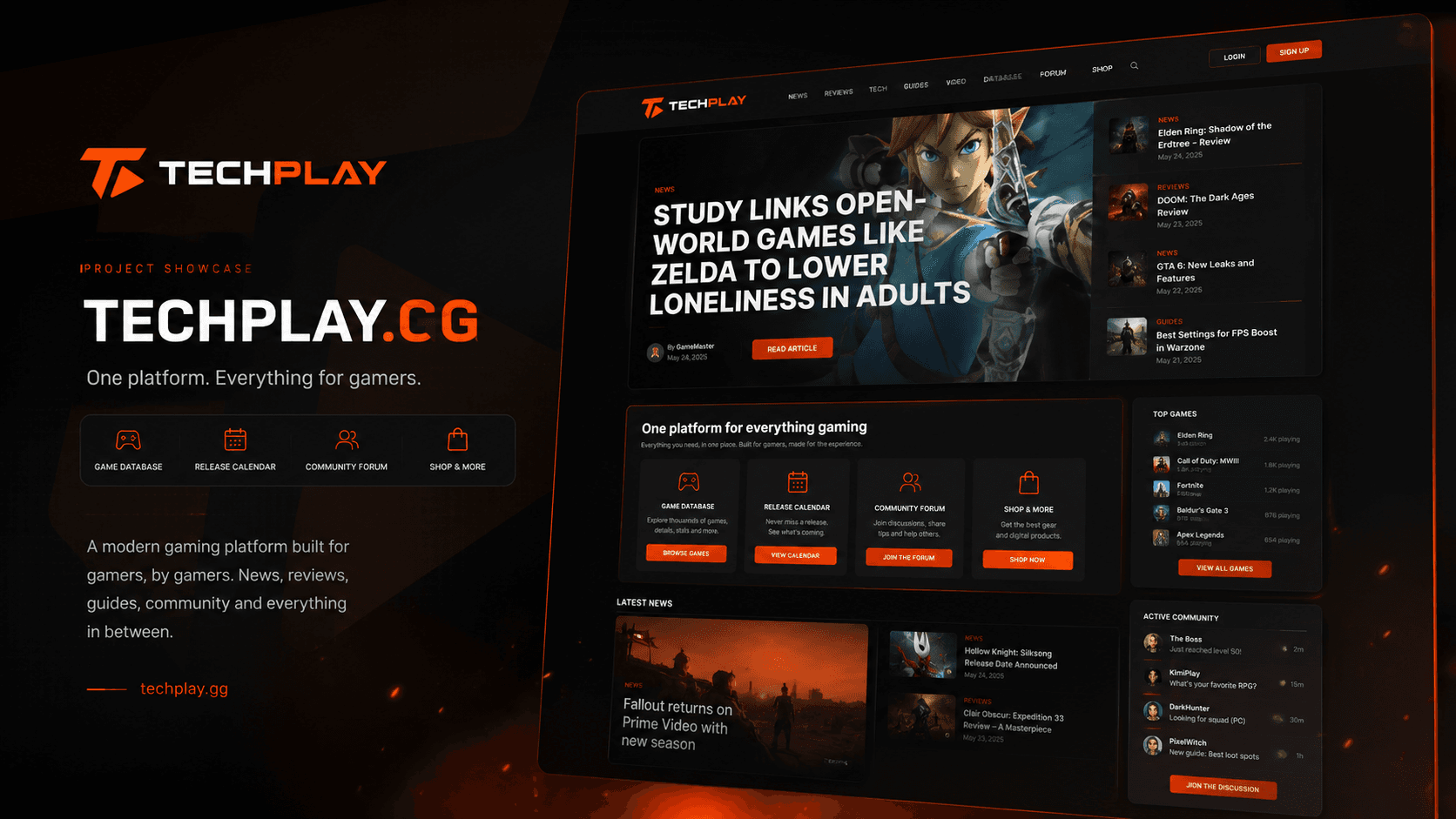
Company websites, online shops and web applications, built in Next.js. TechPlay’s database of more than 200,000 games runs on the same stack.
We design and build mobile applications for iOS and Android using React Native, sharing the right parts of the codebase while keeping platform behaviour, performance and user experience in mind.
The service covers the full product cycle: scope, UX and interface design, development, backend and third-party integrations, testing, store submission and the releases that follow launch.
One React Native codebase for iOS and Android, with platform-specific behaviour handled where needed. This reduces duplicated development while keeping the product maintainable as both platforms evolve.
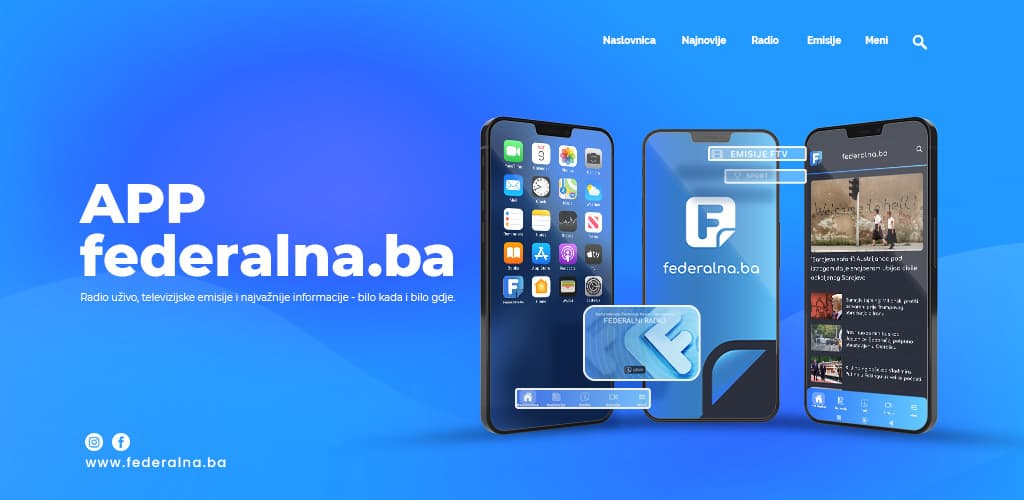
Case study: Federalna.baUser flows, wireframes and polished interface design shaped around the real tasks people need to complete, reviewed on mobile screens before development is finalised.
Authentication, data, payments, notifications and third-party services designed as part of the product, with APIs and backend logic built to support the app reliably beyond the first release.
Developer account setup, certificates, store listings, screenshots, release configuration and submission support, including communication and revisions if a store review raises an issue.
Product analytics and crash monitoring are configured from the first release, so decisions about fixes and new features are based on real usage rather than assumptions.
OS compatibility updates, bug fixes, performance work and new features delivered through a planned release cycle after launch.
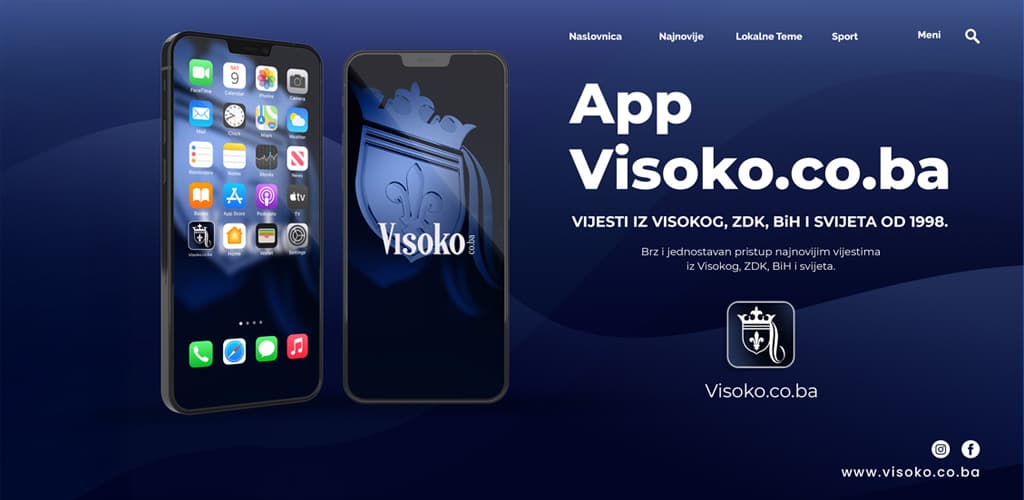
Case study: Visoko.co.baWhat you receiveA written V1 specification with priorities, timeline and fixed quote.
What you receiveAn approved prototype with the core journeys tested on a real device.
What you receiveRegular working builds you can test throughout development.
What you receiveProduction-ready apps submitted to both stores, with monitoring in place for launch.
What you receiveA maintained product with a clear roadmap and predictable ongoing support.
1K+
downloads on Google Play, rated 5.0 on the App Store
For RTV FBiH, the public broadcaster of the Federation of BiH, we built the official Federalna.ba app for iOS and Android in React Native, bringing news, Federalna's shows, the TV programme and Federalni radio live into one mobile product.
View case studyWe choose tools based on the requirements of the project, your existing systems and what will be practical to maintain after delivery. Below are the technologies we typically use for this type of work, and why.
A shared foundation for iOS and Android with strong tooling for builds, testing and releases. Expo can also support over-the-air delivery for eligible JavaScript and asset updates, while native changes still follow the normal store release process.
Static typing catches many integration and data-shape errors before release, which matters more on mobile where a production fix may still depend on a new store build.
A mature backend stack for authentication, APIs, business logic and structured data, chosen for maintainability and for the ease with which another engineering team can take it over later.
Used where the product benefits from services such as push notifications, crash monitoring and analytics, without rebuilding mature mobile infrastructure from scratch.
For subscription products, it simplifies purchases, trials, entitlements and renewal state across iOS and Android while keeping the app aligned with store billing systems.
iOS and Android share the core React Native codebase, reducing duplicated development while still allowing platform-specific behaviour where the product needs it.
Apple and Google developer accounts are registered to your business wherever possible, with listings, release history and store access remaining under your control while we manage the submission work.
Monitoring is configured from the first production release, giving your team visibility into crashes, stability and how the product is actually being used.
Post-launch priorities are shaped by product analytics, stability data and user feedback rather than assumptions made before release.
If you cannot find the answer below, send us your question. A member of our team will reply within one business day.
Ask a questionA focused first release typically takes around 10–16 weeks from kickoff to submission, depending on scope, integrations and backend requirements. Store review happens after submission and follows Apple and Google’s own timelines, so approval time is not something we can guarantee.
An app for iOS and Android starts from €3,000. The final price depends on the screens, backend, integrations and user journeys; after a short scoping call you receive a written first-release specification, a timeline and a final price that does not change.
Your Apple and Google developer accounts are registered to your business, with Luminor added only with the access needed to build and submit the app. The source code and project files are kept in a repository available to you throughout the project, with the agreed intellectual property rights transferring to your business on final payment.
For many business applications, React Native provides the right balance of shared development, maintainability and platform quality. Native development can be the better choice when the product depends heavily on platform-specific capabilities, demanding graphics, specialised hardware access or requirements that would create too much custom native work inside a cross-platform architecture. We make that decision during scoping rather than forcing every product into the same stack.
Yes. We prepare the release requirements, listings, certificates and privacy information, submit the builds and handle review feedback or required revisions. Final approval remains with Apple and Google, but we stay with the submission process until the outstanding review issues are resolved.
Mobile platforms keep changing: new OS versions, devices, SDK requirements and third-party APIs can all affect an app over time. We can continue with monitoring, compatibility updates, bug fixes and product improvements through an ongoing care plan, or hand over the documented product to your own team.
Yes. We begin with a code and architecture review so we understand what we are taking responsibility for. You receive a clear assessment of the codebase, immediate risks and a recommended stabilisation plan. If continuing the existing app does not make technical or commercial sense, we explain that before proposing a rebuild.
Company websites, online shops and web applications, built in Next.js. TechPlay’s database of more than 200,000 games runs on the same stack.
Assistants and automations for work your staff repeats every day, such as sorting enquiries or copying data from one system to another.