Web Development
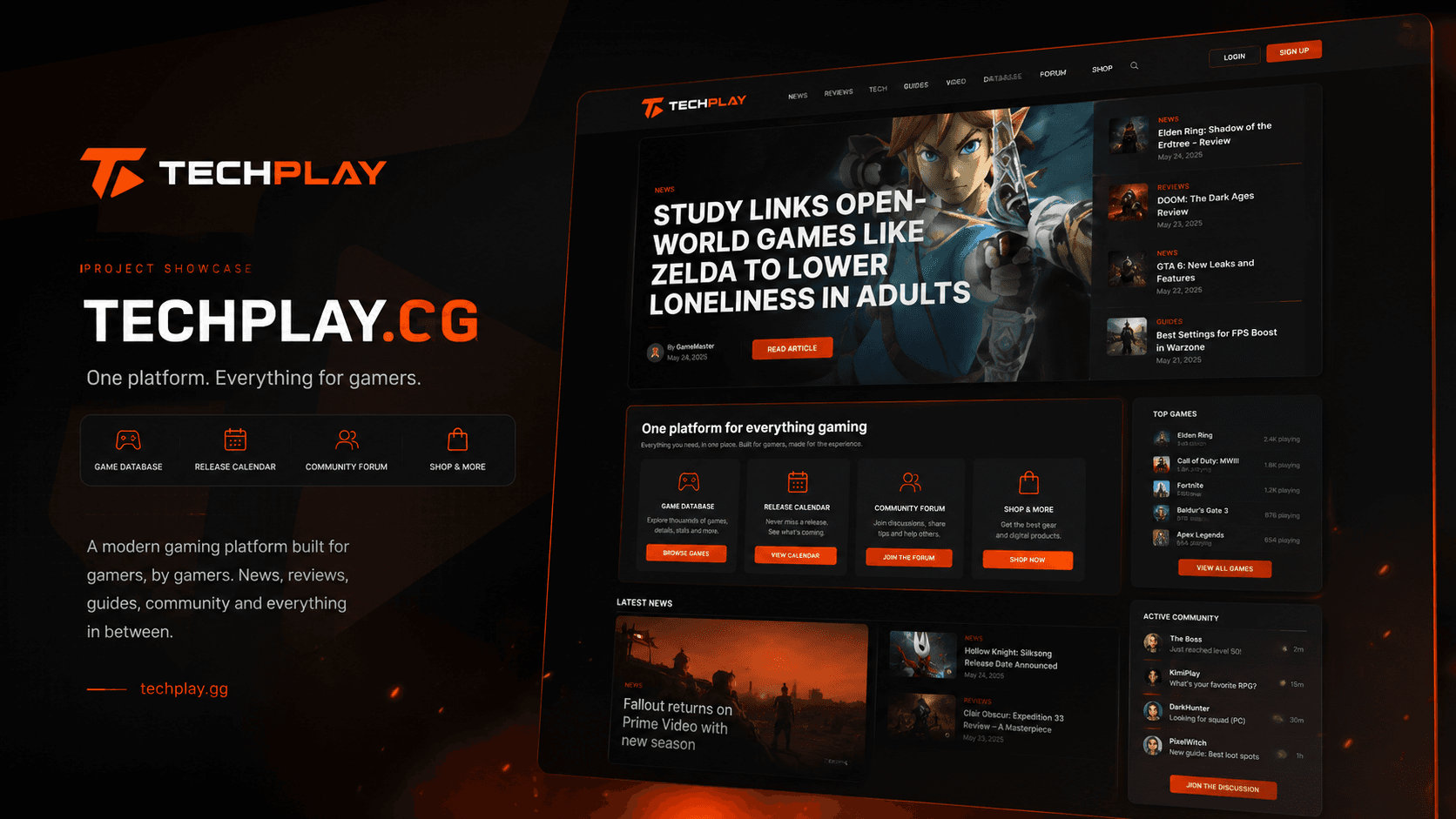
Company websites, online shops and web applications, built in Next.js. TechPlay’s database of more than 200,000 games runs on the same stack.
We build websites for hotels, guesthouses and small resorts that take guests into your booking engine with their dates already chosen. Rooms, packages and the area are presented in the languages your guests speak, on pages that open fast on a phone.
We do not replace the booking engine or channel manager you rely on; we build the site around it, so availability and rates come from one source. Your team edits rooms, offers and photos without a developer, and the price is fixed before work starts.
We connect the booking engine or channel manager you already use, so a guest picks dates on the site and lands in the booking step with them filled in, styled to match the site.
A page for each room type with photos, size, beds, view and what is included, linked straight to that room in the booking engine.
Weekend breaks, half board, spa or ski packages, each on a page your team edits, with the dates it applies and a button that books it.
Room names, policies and offers translated, each language on its own address and linked to the others. For 387 Weddings we built pages whose Bosnian and English versions point to each other, so each reader lands on the right one.
Case study: 387 WeddingsGalleries and large photos tuned for a mid-range phone on a mobile network, where most guests look first, and measured before launch rather than assumed.
A complete Google profile and hotel structured data on the site. Where your booking engine offers it, Google's free booking links can show your official rate next to the platforms'.
Local SEO & Google Business ProfileWhat you receiveA written scope covering pages, languages, integration and a fixed price.
What you receiveA prototype your front desk has clicked through.
What you receiveA staging site that hands guests to your engine with dates filled in.
What you receiveA live site with the booking path tested end to end.
What you receiveA tuned site and a recorded walkthrough for your team.
We choose tools based on the requirements of the project, your existing systems and what will be practical to maintain after delivery. Below are the technologies we typically use for this type of work, and why.
Room and offer pages rendered on the server: fast on a phone and complete for search engines in every language.
We connect through your engine's API or its official widget, so rates and availability are kept in one place.
Hotel, room and contact details stated in a form search engines read reliably.
Where guests check photos, reviews and location, and where free booking links appear when your engine supports them.
Caching and image delivery close to guests, wherever they browse from.
From any room or offer to your booking engine in one step, in the guest's language.
Packages, photos and room descriptions changed any day, without a developer.
Analytics that follow guests from the site into the booking engine, where the engine allows it.
Site, domain, analytics and the Google profile registered to the hotel from day one.
If you cannot find the answer below, send us your question. A member of our team will reply within one business day.
Ask a questionA guesthouse site usually takes 3–6 weeks. A hotel with several languages, packages and a booking engine integration takes 6–10 weeks. The timeline is in the written scope, and you follow progress on a staging link.
A hotel or guesthouse website starts from €1,800. Languages, the number of room types and the booking engine integration set the final price, which you receive in writing after a short call and which does not change.
The hotel does. Code, domain, analytics and the Google profile are registered to you from day one, and full ownership transfers on final payment. Your booking engine contract stays between you and its provider.
Usually not. We build around the engine or channel manager you already use. If you do not have one, we explain the options and their costs, so you choose before the build.
It can, through Google's free booking links, when your booking engine or channel manager offers that connection. We check whether yours does and prepare the profile and site details on our side.
Room descriptions, packages, photos and the prices shown on offer pages are edited in the CMS. Live rates and availability come from the booking engine, so they are changed in one place only.
Company websites, online shops and web applications, built in Next.js. TechPlay’s database of more than 200,000 games runs on the same stack.
Technical fixes first, then pages written for the searches your customers make. You get a report every month.
Google and Meta campaigns, run against a cost per enquiry that we agree with you before anything goes live.